
Let’s talk about your EHR needs: 1.800.383.6278 MEDHOST Community Login


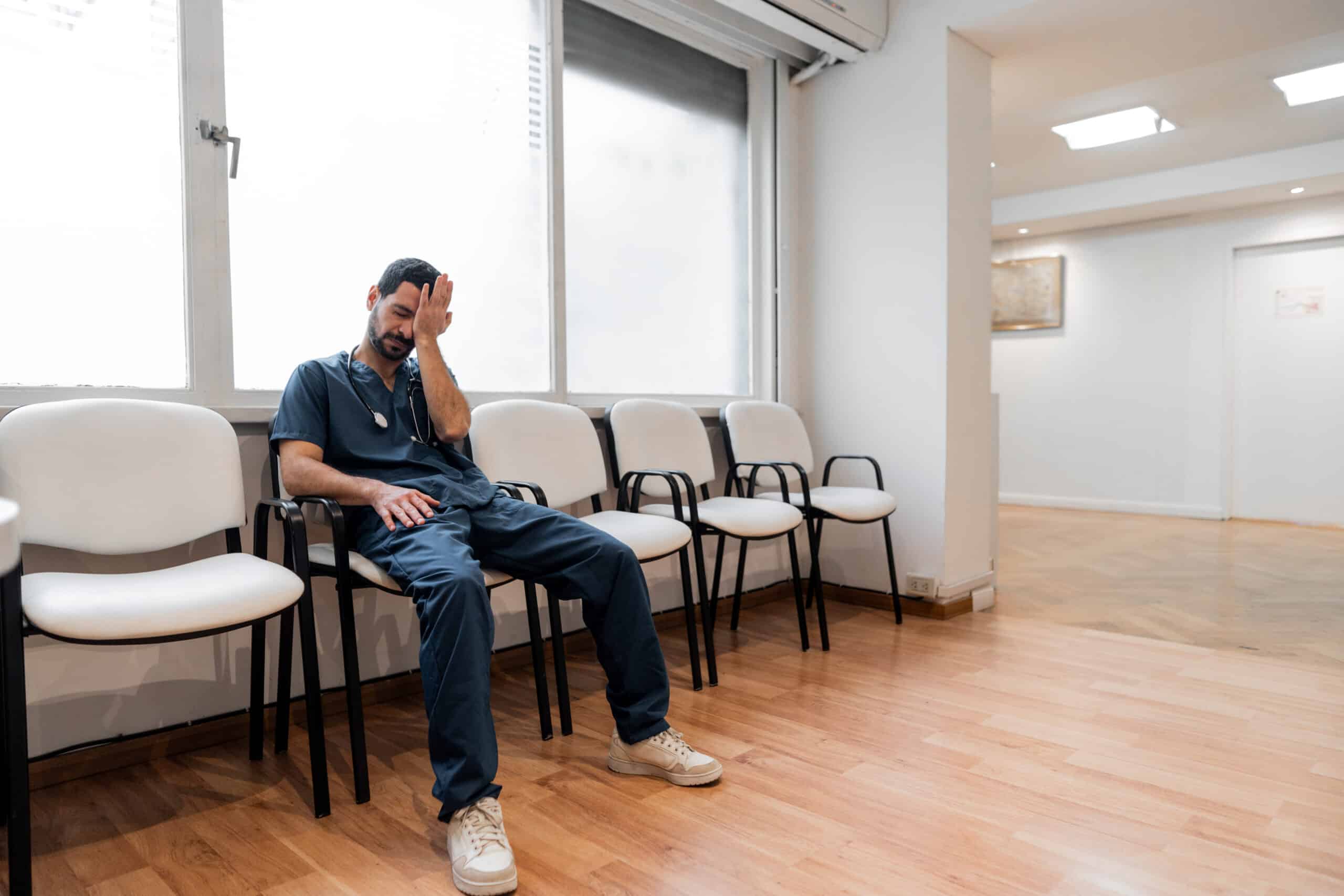
The healthcare industry is no stranger to turnover, but new research shows that the EHR experience now plays a far more influential role in clinician retention than previously understood.
According to KLAS Research’s Clinician Turnover 2025 report, dissatisfaction with the electronic health record is emerging as one of the most actionable—and preventable—drivers of turnover across hospitals and health systems.
KLAS found that dissatisfaction with organizational leadership is the top reason clinicians plan to leave their employer (excluding personal circumstances such as retirement). Nurses, in particular, report feeling unsupported as staffing shortages force them to shoulder additional responsibilities.
What’s striking is how closely this sentiment ties back to the EHR. Among physicians who identified leadership misalignment as the primary driver of wanting to leave, the average Net EHR Experience Score was just 7.7—the lowest of any group measured.
Clinicians who intend to leave healthcare altogether reported an average EHR satisfaction score of -14.7, compared with 32.7 among those planning to stay at their organization. Even more concerning: this gap is widening over time.
KLAS highlights what many CFOs already know: turnover is extraordinarily expensive.
High turnover fuels a cycle of burnout, staffing shortages, rising labor costs, and operational strain—all of which directly impact patient care.
The report reveals a consistent theme: clinicians often feel their voices are absent from decisions that shape their daily work. Respondents cited:
KLAS found that among the 288 clinicians who initially planned to leave in 2023 but ultimately stayed, 73% said EHR improvements were a major factor in their decision.
Enhancements included:
Even the best-designed EHR enhancements fall short without ongoing education and real-time support. Organizations with the highest gains in clinician satisfaction paired technology updates with:
The KLAS findings reinforce a core MEDHOST belief: the EHR should empower clinicians, not exhaust them.
Our Unified Clinical Solutions were built to reduce cognitive load, streamline documentation, and support the way clinical teams naturally work. Beyond technology, we partner closely with hospitals to deliver:
As hospitals face mounting financial and workforce pressures, improvements to the EHR experience represent one of the most direct and effective ways to reduce turnover and improve organizational well-being.
